
After making it through pregnancy, labor, sleepless postpartum nights, and countless diaper changes, you may be itching to lace up your sneakers and hit the open road, wind in your hair, for some much needed (and deserved) me time.
Before you pull out your favorite running shoes though, there’s six things I’d love for you to master – these will not only build your foundational strength and stability, but they’ll decrease the likelihood of frustrating setbacks and have you hitting PRs!
Below we’ll dive into everything from mastering your breath to building core and pelvic floor strength, and even regaining balance (because tripping over toys and shoes doesn’t count as agility training 😉). Ready to hit the ground running? Let’s do this—one step at a time!

Diaphragmatic Breathing
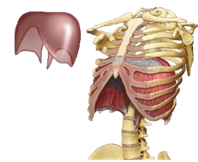
Your diaphragm is a big umbrella-like shaped muscle that sits under your ribcage. It helps pull more air into your lungs when you breath in (if you use it…which many of us don’t!) Your diaphragm also powers your deep core which includes your pelvic floor, abs, and back. During pregnancy your growing baby limits the movement of your diaphragm, potentially shutting it off if you don’t actively work on breathing.
Once your baby is born your diaphragm should take on the role of naturally waking up and strengthening your core, but if it’s “turned off,” it can’t. But don’t worry, it’s never too late to start!
Besides this hugely important role, strong diaphragmatic breathing:
- Decreases your overall stress (of baby too if breastfeeding)
- Improves nutrient delivery in breast milk (live cells, amino acids, enzymes, growth factors, hormones, vitamins and minerals, antibodies, etc)
- Manages fat burning pathway
- Improves the stability of your spine
- Helps reestablish neutral alignment 👉🏼 less aches and pains
- Helps reestablish a mind-muscle connection to your core
- Especially with a Cesarean delivery
- Can help minimize Diastasis Recti and/or a quicker recovery from DR
Coordinating your PF with your breathing
As I mentioned earlier, your diaphragm is the powerhouse of your deep core, which includes your pelvic floor. No matter how you gave birth – vaginally or via c-section – your pelvic floor took on a lot of stress during pregnancy. Weight gain, postural changes, and decrease diaphragmatic activity increased the amount of force down onto your pelvic floor. You may have experienced, or are currently experiencing common pelvic floor dysfunction symptoms like incontinence, constipation, pain with insertion of any kind, etc. Notice I said common, not normal…these are not normal and can be fixed with proper attention!
When your diaphragm and pelvic floor are coordinating properly, your:
- Bladder, uterus and colon are supported preventing incontinence and/or pelvic organ prolapse
- Pelvis, torso, and spine are more supported and stable, decreasing discomfort and pain

Coordinating your deepest core layer with your PF and breathing
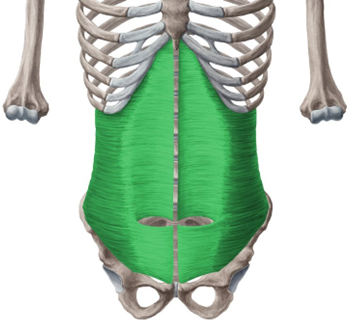
Your deepest core layer, your Transverse Abdominis (TVA) acts like a corset that wraps all the way around your torso, attaching to your spine, bottom of your ribcage, and top of your pelvis. This large muscle naturally lengthens as your baby grows during pregnancy. Once your baby is born it kind of hangs out in your abdomen like a floppy rubber band unless you tend to it. Sorry for the weird visual.
But here’s the thing – if you start to work your TVA without having good function and strength in your diaphragm and PF, you may actually create issues for yourself like worsening Diastasis Recti (DR) and/or pelvic floor dysfunction! This is because the diaphragm, PF, and TVA all work together to maintain proper pressure in your abdomen. (see video for their coordination) If the pressure of say a sit-up or crunch isn’t managed well, all that pressure goes to “weak points” in your system…in postpartum those weak points are typically the PF and DR.
So making sure you coordinate your TVA contractions WITH your diaphragm and PF is KEY to:
- torso stabilization, supporting your upper and lower back
- proper posture and balance
- preventing compensatory muscle imbalances and movement patterns…aka pain over time
- establishing a mind-muscle connection, especially important if you had a c-section
- minimizing or preventing the dreaded “mom pooch”
- your body being able to anticipate movements, anywhere from bending down to tie your shoes to doing a 360 jump or jumping over a puddle during your run (hence the term anticipatory core in the graphic)

Mobility
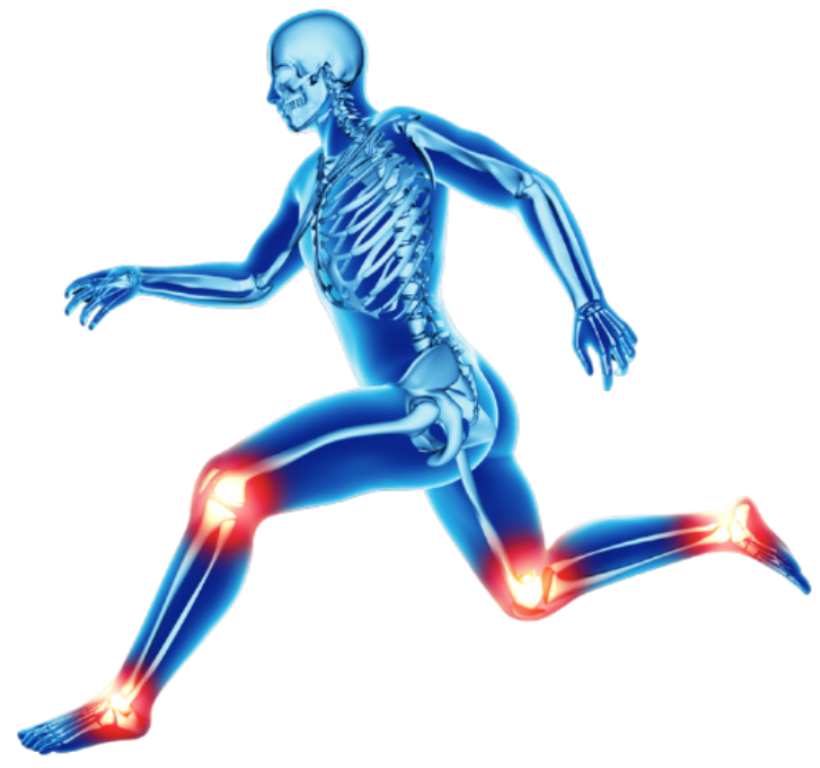
Mobility is not flexibility. Mobility deals with your joints being able to move through a large range of motion while flexibility is how “stretchy” your muscles, tendons, and ligaments are.
While flexibility might help with mobility (e.g., flexible hamstrings can assist in deeper squats), mobility requires strength, stability, and control at your joints, not just muscle length. Running also requires strength, stability and control…you can see why mobility is important in those reasons alone.
We tend to get stuck in real awkward positions between bending over to change a diaper, holding baby on one hip, or nursing slumped over in the middle of the night. Mobility can help alleviate common aches and pains! It also allows your muscles to function properly so you can run with good form and efficiency and without pain or dysfunction.
Here are my top 8 areas to focus your mobility on, especially to get back to running:
- Mid-back (thoracic spine) – a stiff thoracic spine will impact everything above and below it, but for running a mobile T-spine improves posture and form, enhances upper body rotation and arm swing, optimizes breathing mechanics, and more – check out this blog post for more on your T-spine!
- Lower back – crucial for comfort in general, but for running, low back mobility improves form and posture, shock absorption, gait mechanics, and core stability
- Hips – crucial for most “mom” activities, mobile hips help distribute the load/weight of movements more effectively
- Ankles – often overlooked, but limited ankle mobility will affect your running gait and efficiency
- Feet and Toes – also often overlooked, foot and toe mobility is essential for stability and balance (this is actually one of my favorite body parts to stretch!)
- Diaphragm and Ribcage – doing diaphragmatic breathing will “mobilize” your diaphragm, which connects to your ribs, so restoring rib mobility helps with more effective breathing patterns
- Shoulders – often restricted from repetitive movements, slumped posture, and holding your baby for long periods, etc., improved shoulder mobility supports better range of motion and less pain for/in all movements, including your arm swing during runs
- Chest – mostly because it feels so good, but chest mobility can help combat poor posture that comes with motherhood. It also, in combination with other body parts, supports posture, breathing mechanics, and arm swing for efficient and pain-free running
Building strength, especially in your Myofascial Slings
Building strength before returning to running not only will make you a better runner, but it will decrease the likelihood of pain, injury, and setbacks. The stronger you are in your core, hips, glutes, quads, and back (among others), the better of a runner you’ll be!
Now…what the heck is a myofascial sling? In nerdy terms it’s a network of muscles, fascia (connective tissue) and other soft tissues that work together to help our bodies move efficiently and maintain stability. In less nerdy terms, slings are like “muscle highways” that run through our bodies, helping muscles and joints work together.
They help:
- create smoother and more coordinated movements
- create stability and distribute force
- generate strength and power
- maintain posture and stability
When you walk, bend, lift, run, or twist to grab something, different slings in your body are activated to support that motion.
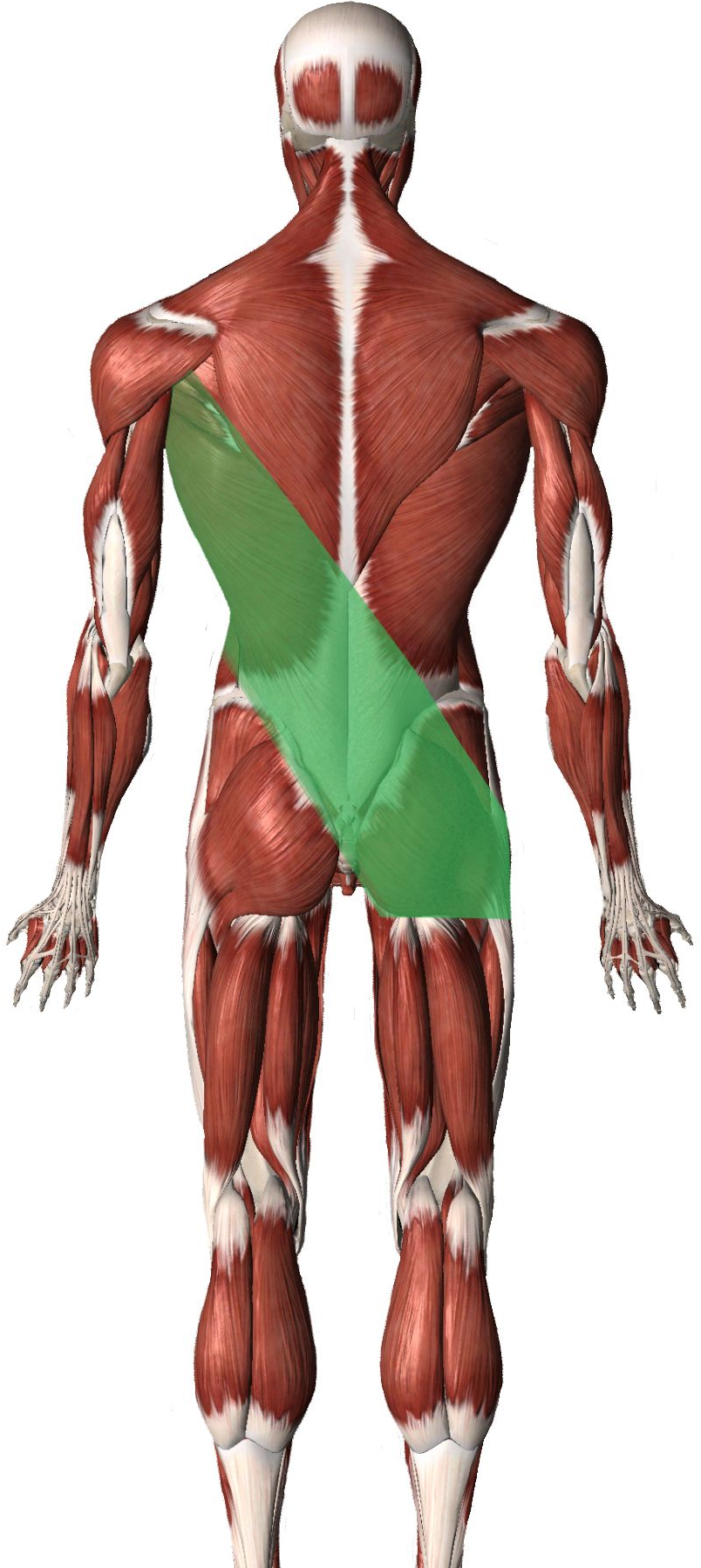
For example, the Posterior Oblique Sling (POS) connects your lats (big back muscles) and opposite glutes (buttcheeks). So while I mentioned building strength in your glutes and back was important at the beginning of this section, doing moves that connect, coordinate, and strengthen them together will take you even further! Literally and figuratively.
When you take a step forward (walking or running), the POS’ help stabilize your pelvis and spine, keeping your hips level and propelling your leg backward.
When your POS is weak, your lower back or knees may take on too much strain causing pain or discomfort.
Improving balance
During your pregnancy your growing belly changed your center of gravity, impacting your overall balance. Weakness in your core and/or PF also affect balance and coordination, making activities like running feel more challenging and less stable. After pregnancy, your body underwent some more changes (yay motherhood) that likely affected your stability and balance more. The combination of weight shifts, hormonal changes, muscle imbalances and altered posture can increase the risk of falls or injuries when returning to running. Add in the fact that running requires just one foot to be on the ground at a time, and you can see why it’s vital for you to focus on balance training.
Improved balance helps:
- you maintain proper form
- prevent falls or injuries
- you navigate uneven terrain
Does that sound like a lot? Or like it would take forever?
I promise you, you can pretty much work on these things simultaneously! The one thing I would work on first would be breathing, since it has an impact on all the others! But once you have that down, you can work on your PF, deep core, mobility, strength and balance together.
Establishing these six building blocks is essential before returning to running after having your baby. These foundational elements not only enhance overall body stability and coordination but also promote a safer and more efficient running experience. By focusing on these key areas, you’ll build a strong, resilient body that can handle the demands of running, reduce the risk of injury, and boost your confidence as you reclaim your fitness journey. Remember, taking the time to strengthen your body now will pave the way for a more enjoyable and sustainable running experience in the future!
Looking for some guidance? You can book a *free* 10-minute call with me here
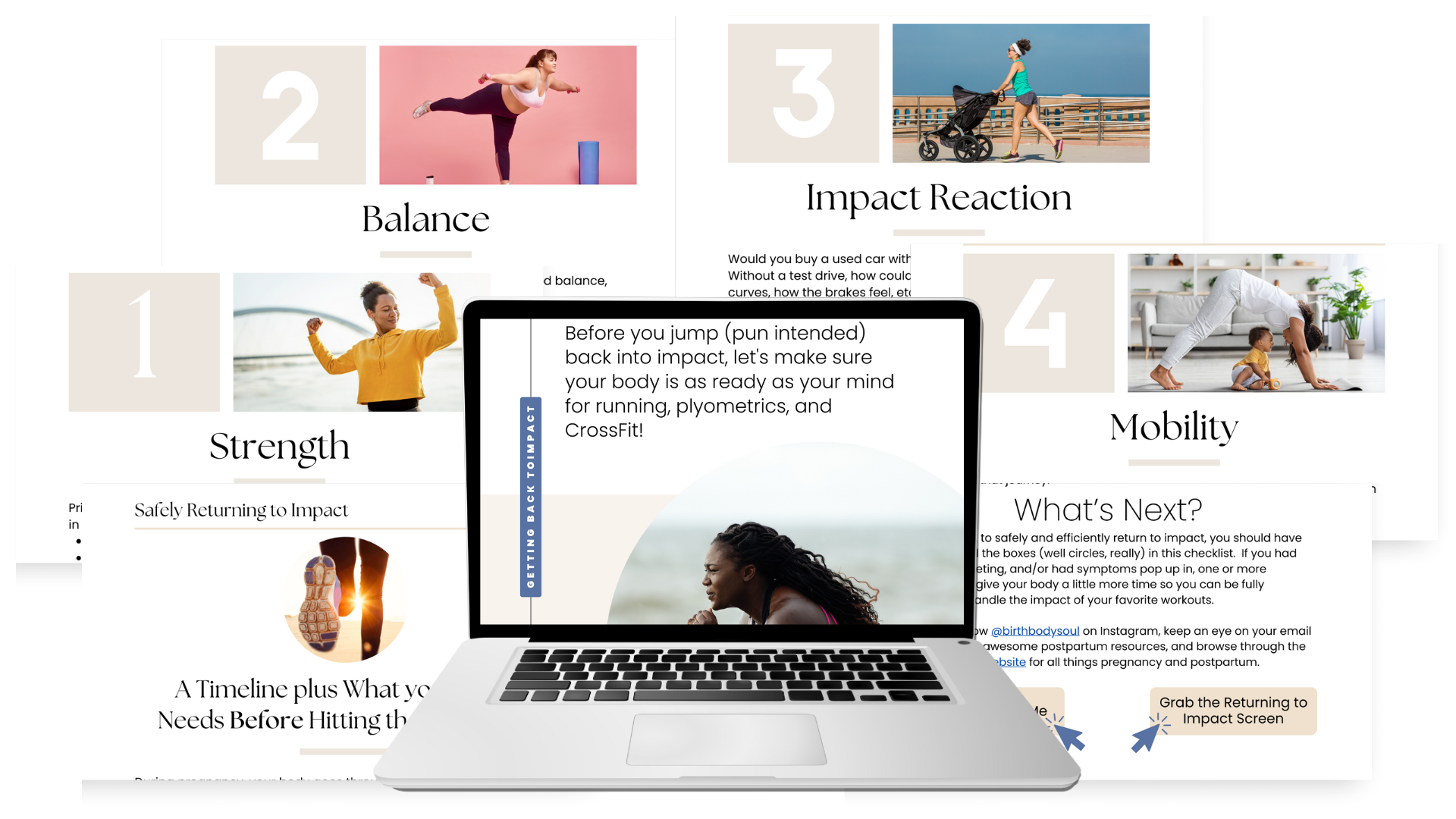
And if you’d like to “test” your body to see if you’re ready to hit the road, definitely check out my freebie, Getting Back to Impact here!