

Picture this: You’re dutifully squeezing away in your car, at your desk, or mid-scroll through Instagram because someone once said Kegels are the secret to a blissfully easy labor.
…but are they? Or are we all just collectively clenching for no reason?
Spoiler alert: The truth is more nuanced than a yes or no. So, let’s dive into the squeeze science.
Kegels: A Love Story (Sort of)
Kegels have been hailed as the golden child of pelvic floor exercises. They’re simple, discreet, and promise everything from better bladder control to 😉 enhanced bedroom fun. But somewhere along the way, someone decided they might also make labor easier. And honestly, that’s where the plot gets a little murky.
Here’s the thing: Kegels do strengthen your pelvic floor muscles. But labor isn’t about having a pelvic floor that could crush a watermelon…or hold up a surfboard (or whatever that lady did). It’s about having a pelvic floor that knows when to get out of the way.
Tight Ain’t Always Right
Let’s clarify something crucial: A strong pelvic floor isn’t the same as a tight pelvic floor. In fact, too much tone in your pelvic muscles can make it harder for your baby to navigate their grand entrance.
This is where things can get tricky—and where myths about strength and tightness can lead to real challenges during labor.
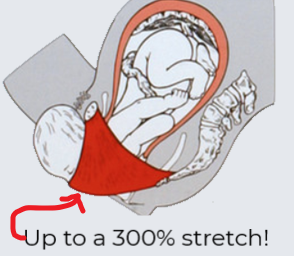
During labor, your pelvic floor needs to relax, release, and stretch to accommodate your baby’s passage. In fact, your pelvic floor muscles can stretch up to 300% of their resting length during vaginal delivery! This stretch is essential to allow the baby to pass through the birth canal.
When your pelvic floor can’t relax, your baby’s descent and movement may slow, causing a labor stall—which often leads to a cascade of interventions potentially ending with a forceps, vacuum, or even a C-section delivery.
Here’s another “fun” tidbit: A tight or unyielding pelvic floor may also increase the risk of perineal tearing as it struggles to give way under the pressure of your baby’s head during delivery.
So, yeah—kegeling over and over (and over) without learning how to release can lead to a pelvic floor that’s unable to relax when you need it most.
What Your Pelvic Floor Really Needs for Labor
Instead of focusing on clenching, we should be talking about balance. Think of your pelvic floor as a dynamic, adaptable team player—not a one-trick pony. To prepare for labor, your pelvic floor needs to:
- Be strong enough to support your organs during pregnancy (because the gravity and pressure struggle are real)
- Be flexible enough to stretch and release during birth (yeah a baby has to go through there)
- Know how to let go – because resistance and tension are the opposite of what your body wants and needs during delivery.
So, yes, Kegels can be part of the equation, but only if you pair them with exercises that promote relaxation and release.
Exercises That Help Your Pelvic Floor Release
By incorporating these exercises, you’ll create a pelvic floor that can support you during pregnancy and respond effectively during labor. Ready to make the magic happen?
1. Pelvic Floor Downtraining
This is fancy talk for teaching your pelvic floor to let go of some of that tension. The key? Deep, diaphragmatic breathing to help your pelvic floor gently expand and release as you inhale.
How to:
- Sit on a yoga ball or with a towel under your perineum.
- Breathe in through your nose, sending air down and out your “holes.” Feel your pelvic floor gently release into the ball/towel.
- On the exhale, let your pelvic floor naturally recoil—no squeezing allowed!

2. Deep Squats
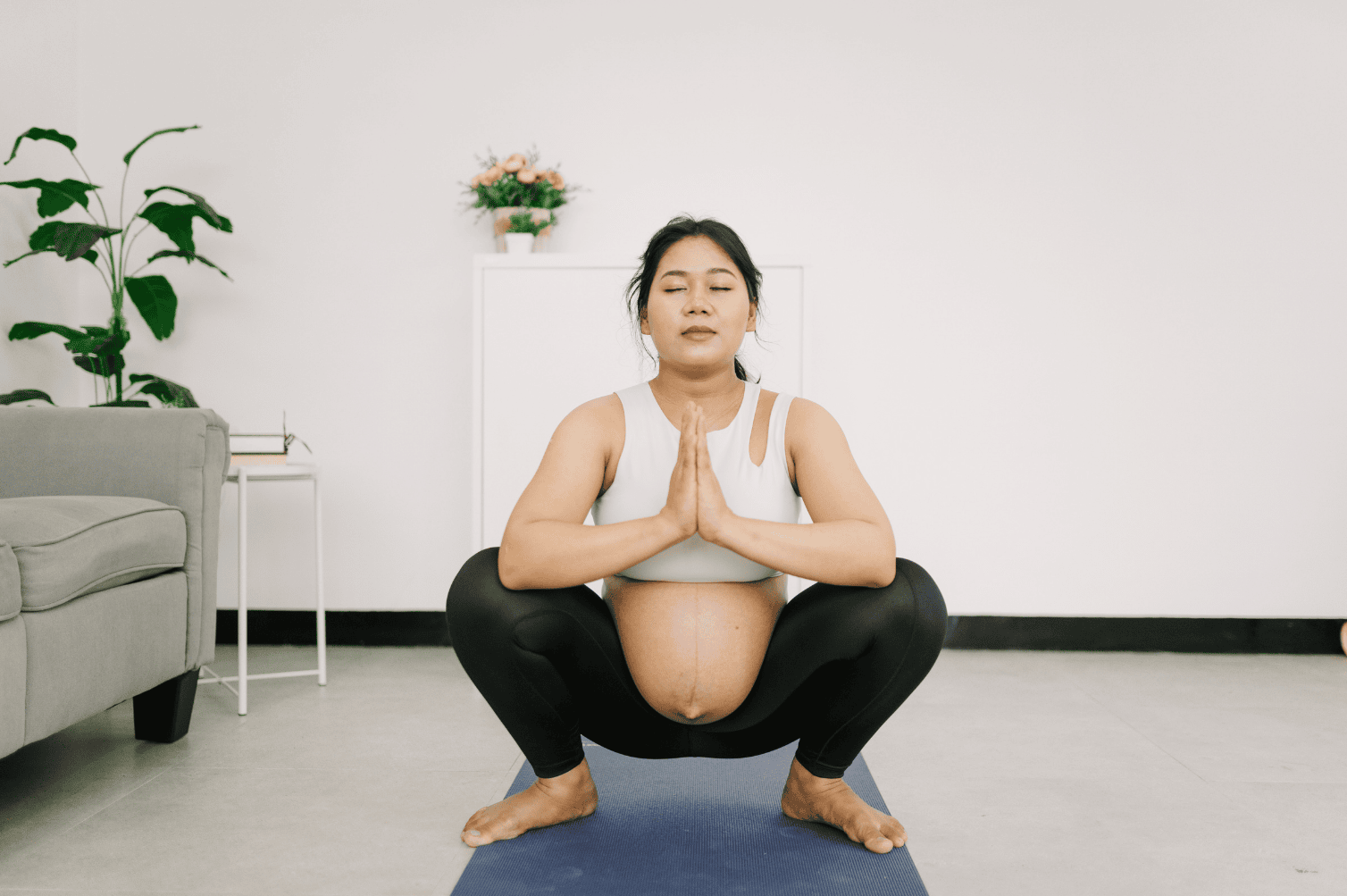
Not the quads-on-fire kind (though they’re great too). This version is all about relaxation: deep, supported squats that open your pelvis and stretch your pelvic floor. Bonus? They help your baby engage into the pelvis.
How to:
- Use a prop like a partner, TRX straps or a yoga block (or even a stack of books).
- Lower into a deep yoga squat with your butt below your knees, tucked under, and knees wide.
- Practice deep breathing here, feeling your pelvic floor open and relax on each inhale.
3. Perineal Massage
Think of this as stretching practice for your pelvic floor. Not only can it help reduce tearing during birth, but it also gets your muscles comfortable with the idea of a baby passing through (because…yeah).
How to:
- Imagine your vaginal opening as a clock: 12 o’clock is closer to your urethra, and 6 o’clock is closer to your anus.
- Using a clean finger or a pelvic floor wand, gently insert it at 2 o’clock.
- Apply light pressure outward, stretching the tissue from 2:00 to 10:00 only. Avoid the 10–2 area to protect your urethra.

4. Child’s Pose with Breathing
A yoga classic for a reason. When paired with diaphragmatic breathing, this position encourages pelvic floor relaxation, while offering some much-needed zen (and back relief).
How to:
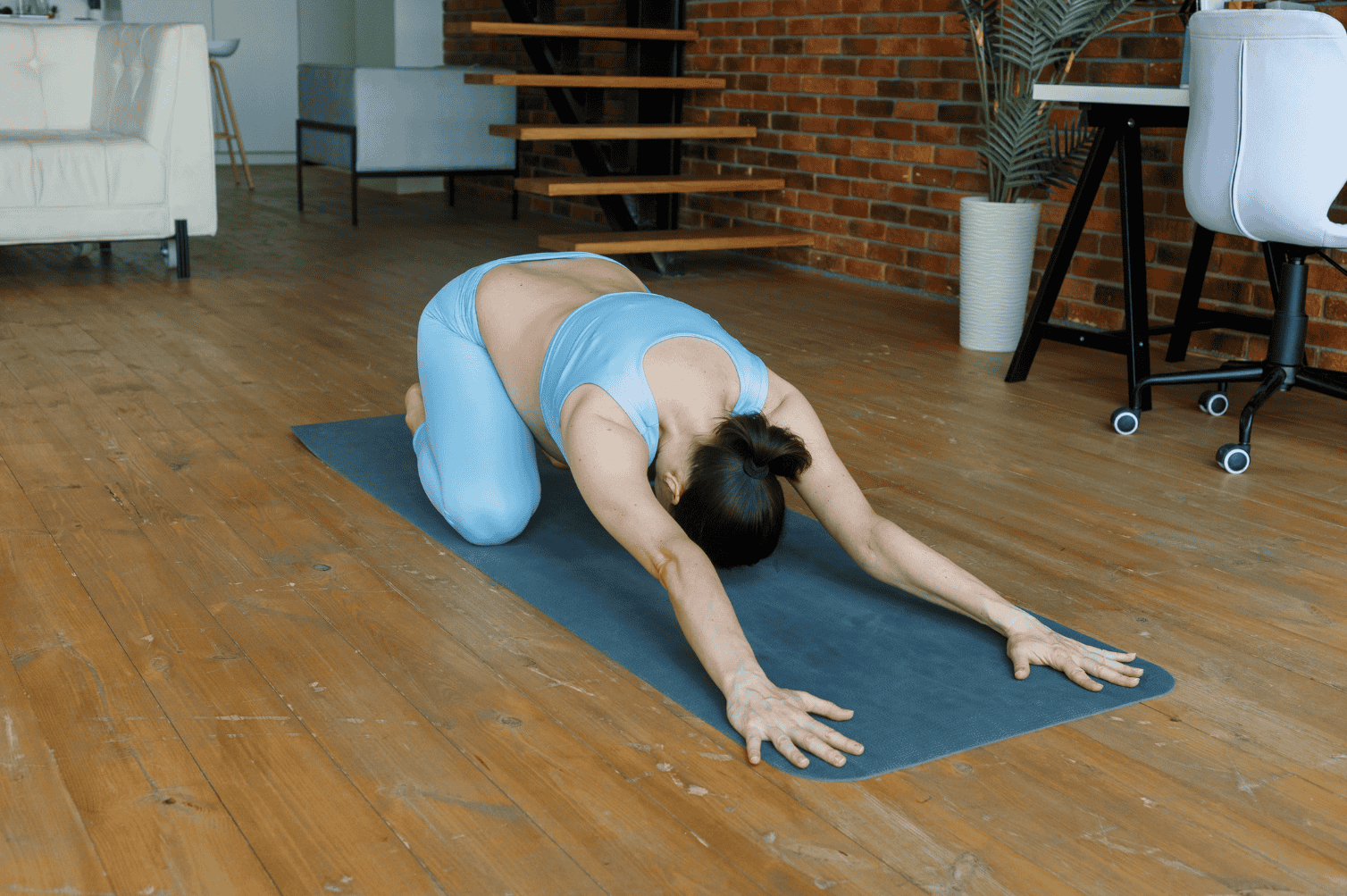
- Start in child’s pose: knees wide, big toes together, forehead resting on the floor (or a rolled towel if that’s more comfortable), and arms reaching forward.
- Inhale deeply through your nose, sending the air down into your perineum. (Pro tip: a helpful cue for many of my clients is to imagine your butthole opening as you breathe in. 😁🤷🏼♀️)
- Let your belly hang heavy into your thighs and your lower back lengthen with each breath.
- On the exhale, allow everything to naturally recoil—again, no squeezing necessary!
Why This Works
Each of these exercises trains your pelvic floor to release tension and prepare for labor’s demands. A flexible, adaptable pelvic floor is key to working with—not against—your baby during birth.
The Verdict on Kegels
So, do Kegels make labor easier? Not on their own. If you’re only focusing on squeezing, you’re missing the mark. Labor is more about letting go than holding on (metaphor for life, anyone?🙃). Instead, aim for a balanced approach that includes strengthening, stretching, and relaxing your pelvic floor.
Because when it comes to birth, your pelvic floor doesn’t need to be a fortress—it needs to be a flexible, relaxed passageway for your baby’s big debut.
Ready to give your pelvic floor the relaxation skills it needs for a smoother birth? Download my free Birth Prep Guide to learn how diaphragmatic breathing and pelvic floor release can help your body work with—not against—your baby during labor and delivery. Click below to get your guide and start practicing today!
Now, go forth and unclench.