
Diastasis Recti (DR) is practically a right of passage for anyone carrying a baby (yay? 🙄 ) so the real question isn’t if you’ll have it, but when and how to deal with it.
I’m going to get right to the point here…the best time to address diastasis is during pregnancy. If you’re postpartum reading this, don’t automatically X out…I promise it’s not too late for you!
Let’s dive into what DR is, why pregnancy is the prime time to address it, what to do if you’re already postpartum, and more!
What Exactly is Diastasis Recti?
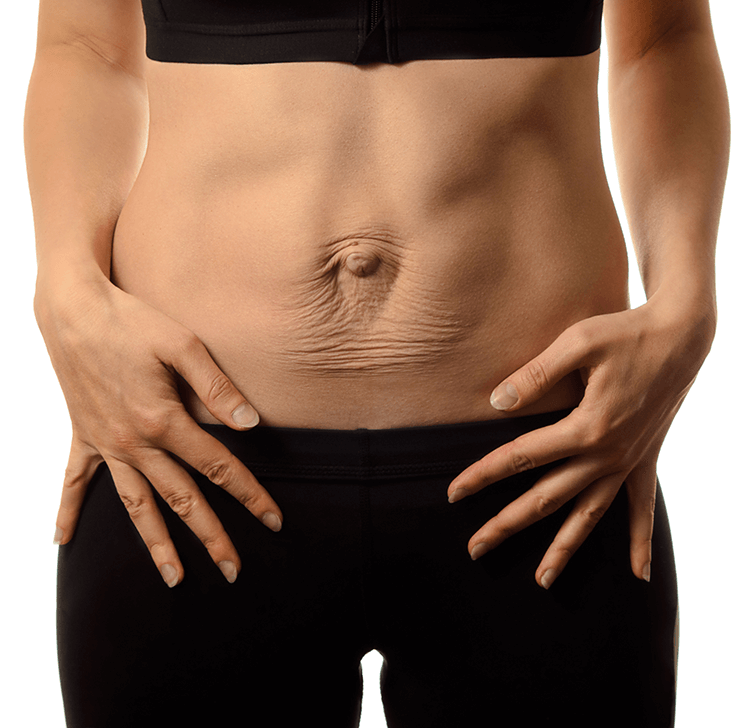
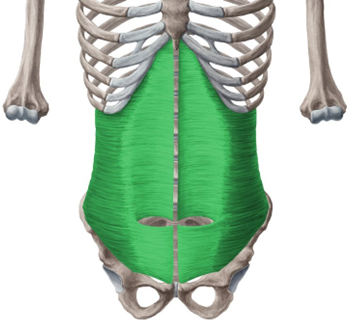
Diastasis Recti (DR) is a thinning of the linea alba, which is the connective tissue found where the two sides of your rectus abdominis or 6 pack muscles meet. Think of your linea alba like a rubber band holding your six pack together. When the linea alba stretches and thins, the 6 pack muscles spread apart.
A DR can be wide, deep, or both.
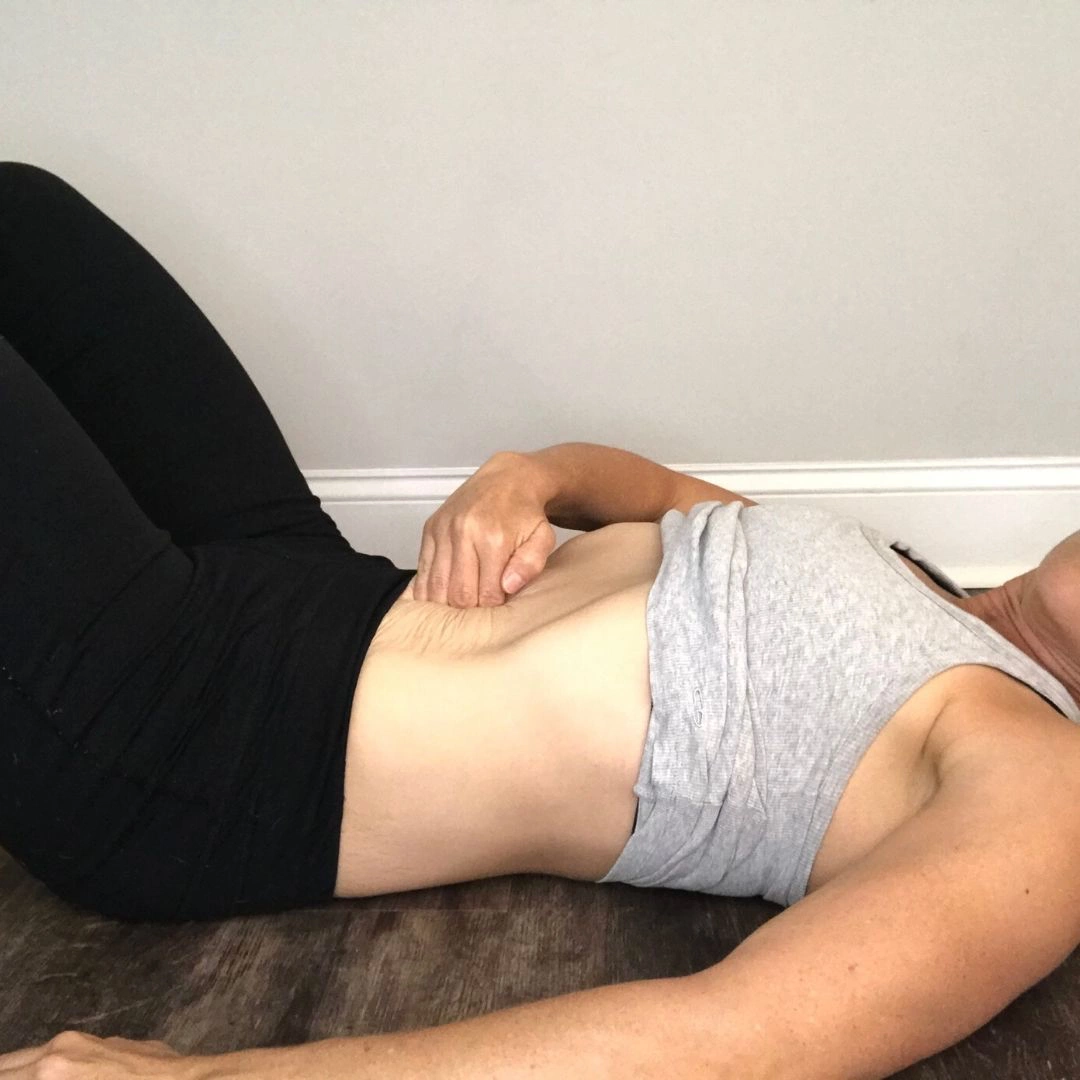
- A wide gap is where your fingers are far apart from one another.
- A deep gap is when your fingers sink into that gap without resistance.
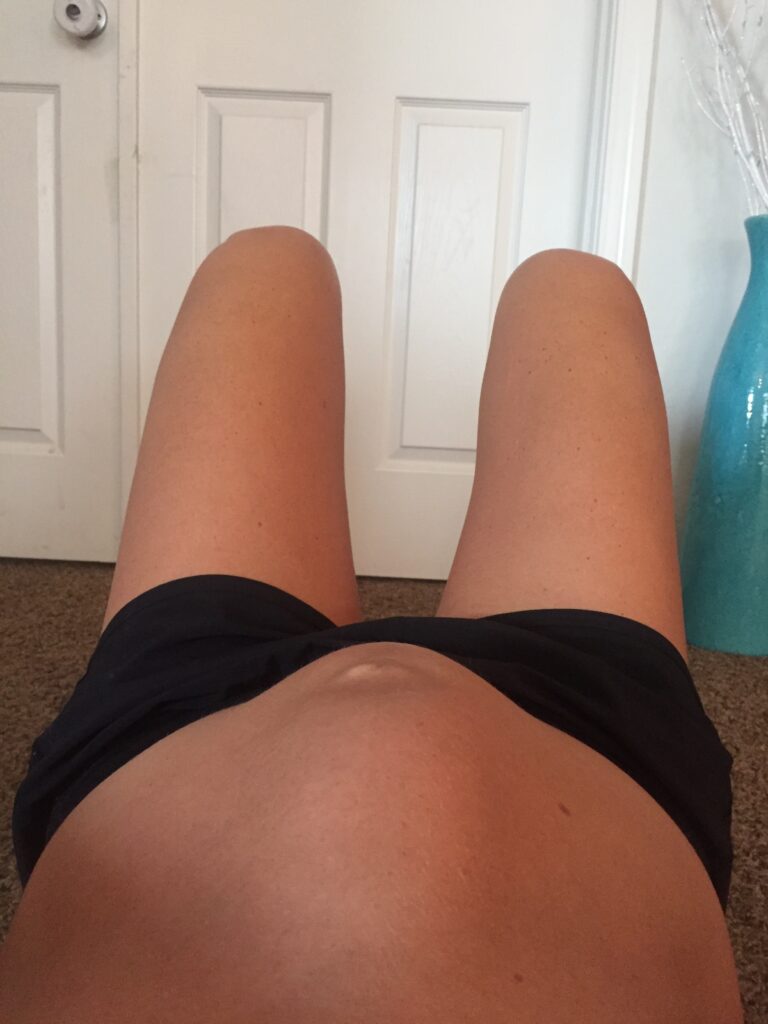
- It’s hard to “see” a gap during pregnancy, but what you might see is some coning or doming when you sit up or do certain exercises. While this isn’t 100% a sign of DR, it’s a sign of poor core engagement and pressure management, which tend to go hand in hand with DR.
Why Target Diastasis Recti and Strengthen Your Core During Pregnancy?
Whether you see a gap, doming, or neither, you may be wondering, “Why should I worry about diastasis recti while I’m still pregnant?” It’s a fair question, especially when you’re juggling all the other demands of pregnancy. But here’s the thing: pregnancy is a unique opportunity to proactively support your body, and getting ahead of DR can make a huge difference for both your pregnancy and postpartum recovery. While it’s nearly impossible to avoid it entirely, there is one sure-fire way to minimize its severity- strengthening your core during pregnancy.
Here’s why it’s worth your attention:
- A Strong Core Helps Your Body Adapt to Pregnancy Changes
As your baby grows, your abdominal muscles stretch and separate to make room. Targeting DR during pregnancy with gentle, core-focused exercises can help maintain the strength of those muscles with less strain on your body overall. - Minimize the Risk of More Severe DR After Birth
While some degree of separation is completely normal (it’s part of the process!), building core strength now may actually reduce the severity of DR later on. By maintaining the strength and integrity of your core muscles during pregnancy, you set yourself up for an easier recovery, potentially reducing the long-term impact of DR post-baby. - Support Your Posture and Alleviate Pregnancy Discomfort
Pregnancy brings with it some common aches and pains—low back pain, pelvic discomfort, and rib pain. A strong core plays a key role in supporting your posture and stabilizing your body, which can ease some of those discomforts. Keeping your abs engaged and your core muscles active helps with overall body alignment, which is crucial as your body undergoes all those changes. - Improve Breathing and Pelvic Floor Function
The diaphragm, pelvic floor, and core muscles work closely together, so strengthening your core may improve breathing mechanics, which can be especially helpful in labor and delivery. A strong, engaged core can also minimize pressure on the pelvic floor and may even help reduce the risk of incontinence during pregnancy. - Stay Active and Feel Strong
Having a strong core during pregnancy helps you stay active and engaged in exercise. Whether you’re running after toddlers, doing a prenatal workout, or just walking around, core strength gives you the stability and endurance to keep moving with confidence.
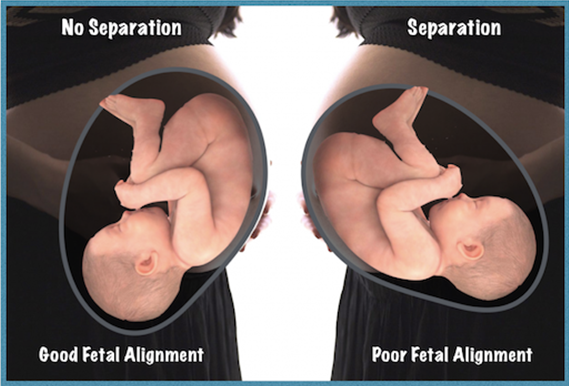
6. Promote Optimal Fetal Positioning
A strong core can play a key role in keeping your body—and baby—aligned. When your core is weak, your belly tends to “flop” forward, which can pull your baby out of the ideal head-down position. Strengthening your core helps maintain better posture and alignment, encouraging your baby to stay in an optimal position for birth, which may lead to a smoother labor and delivery.
Ready to strengthen your core and set yourself up for a smoother pregnancy and recovery? Book your *free* 10-minute call today!
Can Diastasis Recti Resolve on Its Own Postpartum?
If you’re already postpartum, don’t fret. Some people find that their DR resolves naturally within a few months after birth. For others, it takes more work to restore core function and reduce the separation. And even if you’re years postpartum, it’s never too late! (Just a note: genetics, lifestyle, and personal history of DR all play a role in healing.)
Treating Diastasis Recti Postpartum: The Key is Rehab
If your DR doesn’t improve on its own, targeted rehab can make a huge difference. It’s about focusing on your deepest core muscles — the ones that aren’t all showy like your six-pack abs but act like a natural corset and are super important for your overall strength and function.
So, while you can’t entirely control if or how your DR will heal, what you can do is take action. A combination of breathing exercises, core stability work, and proper posture will make all the difference in how quickly and effectively you heal.
Whether you’re weeks, months, or even years postpartum, it’s never too late to start healing. Schedule a free 10-minute call to learn how to reconnect with your core and regain strength!
How Do You Heal Diastasis Recti?
The cool thing about healing DR is you can pretty much approach it the same whether pregnant or postpartum. Here’s some foundational things to focus on:
- Breathing Techniques
The foundation of all healing is breathing. Diaphragmatic breathing naturally encourages the engagement of your transverse abdominis and pelvic floor. Make a habit of practicing this every day, especially in positions that help you find 360° of expansion on your inhales. - Mindful Movement and Alignment
Your posture plays a huge role in how your pelvis and ribs pull on your core. Focus on standing tall with your head stacked over shoulders, shoulders over ribs, and ribs over hips, avoiding too much excessive arching of your lower back or tilting of your pelvis. The more mindful you are about your posture, the better your body will heal.
3. Core-Focused Exercises
Not all ab exercises are created equal! It’s important to choose exercises that strengthen your transverse abdominis (the deep core muscle that acts like a corset) and pelvic floor. Think gentle, controlled moves that engage the core without causing excessive strain. (Once you’re showing, traditional exercises like sit-ups and crunches are a no-go, as they can put unnecessary pressure on your abs and exacerbate DR.) And, just like with any other muscle, your core needs progressive overload (aka increasing the challenge) in order to get stronger. So don’t be afraid to challenge yourself.
4. Work With a Professional
If you’re unsure about what’s safe and effective, it can be incredibly beneficial to work with a prenatal fitness expert who understands diastasis recti. They can guide you in choosing the right exercises for your body and monitor your form and core engagement to ensure you’re not causing strain. Hi!! 👋🏼😂 Don’t forget to book your *free* 10-minute call to start strengthening and healing today!
Quick Recap:
- DR is almost inevitable by the end of pregnancy (but don’t freak out!).
- Strengthening your core during pregnancy minimizes the severity of DR and sets you up for better recovery.
- It might resolve naturally after birth, but rehab is often needed for the best results.
- Start early—during pregnancy is the best time to start addressing DR.
- Postpartum rehab is key if your DR doesn’t resolve on its own.
You’ve got the tools now. Don’t leave your core hanging—show it some love!
The Takeaway: Start Core Strengthening Early to Heal or Minimize Diastasis Recti
The bottom line is this: you can’t avoid DR during pregnancy, but you can certainly control how severe it gets, and you can get a head start on healing it postpartum. Treating it early—during pregnancy—by strengthening your core is the smartest move for setting yourself up for success after your baby arrives. And if things aren’t going quite the way you’d hoped postpartum, don’t stress. You’ve got this. With some expert guidance and a plan, you’ll be on the path to recovery in no time.
So, take a deep breath (literally), roll up those sleeves (metaphorically), and start giving your core the love it deserves. Because let’s face it: a strong, healthy body during pregnancy and postpartum isn’t just about looking good—it’s about feeling good. And the more you take charge now, the better off you’ll be for the marathon of motherhood.
And don’t forget to book your free call with me today!