

Pelvic Floor 101: What Every Pregnant Mom Should Know
Is Your Pelvic Floor Ready for Pregnancy and Beyond?
Your pelvic floor is the unsung hero of your pregnancy journey. This network of muscles plays a massive role in supporting your growing baby, managing bladder and bowel control, and preparing your body for labor and delivery.
Yet, we often overlook our pelvic floor…until something feels off. Sound familiar?
If you’ve been Googling “Why do I pee when I sneeze?” or “What happens to the pelvic floor during birth?”—you’re in the right place.
Stick around to learn:
- The anatomy of your pelvic floor and why it matters
- How pregnancy and childbirth affect these muscles
- Why learning to relax your pelvic floor is just as crucial as strengthening it
- Practical tips for a healthy pelvic floor
- What you can do now to support your body for birth and beyond
So grab your favorite snack (because #cravings), and let’s dive in.
What Is the Pelvic Floor?
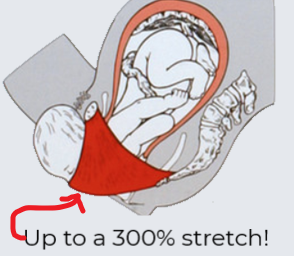
Located inside your pelvis, think of your pelvic floor (PF) as a hammock of muscles that stretches:
- Front to back, from your pubic bone to your tailbone, and
- Side to side, from sitz bone to sitz bone
While you can’t see them all in this image, there are actually 14 different muscles that make up your pelvic floor, found in several “layers.” Each muscle has a role, and groups of muscles have roles. Your PF is pretty freaking complex and cool!!

The Pelvic Floor’s Key Roles:
- Support: Keeps your pelvic organs (bladder, uterus, and rectum) in place
- Control: Manages bladder and bowel function
- Stability: Works with your core to keep you balanced
- Delivery: Helps guide your baby during labor and delivery
When these muscles are functioning well, you feel strong and supported. When they’re not? You might notice issues like urinary or fecal leaking, pressure, pain/discomfort, challenges during labor and delivery, or postpartum recovery setbacks.
The good news? Understanding and caring for your pelvic floor now can make all the difference.
What Happens to Your Pelvic Floor During Pregnancy and Birth?
Your Pelvic Floor During Pregnancy:
As your baby grows, your PF takes on more load and has to work a little harder. Increased weight, hormonal changes, and shifting posture all place extra demands on these muscles. Hormones like relaxin loosen pelvic ligaments and connective tissue to prepare for birth, which can also impact pelvic floor support. This loosening is a good thing(!) because it helps create more room for baby, but if you have weakness in your glutes, hips, and inner thighs, your PF may go on overdrive trying to stabilize your pelvis, creating additional tension.
Your Pelvic Floor During Labor and Delivery:
Whether you deliver vaginally or via C-section, your PF is under stress:
- Vaginal Birth: Your pelvic floor stretches—sometimes up to 300% its usual length—to allow your baby to pass through. This incredible flexibility is why PF relaxation is so important during pregnancy. Overly tight muscles can make labor harder (and longer) and increase the risk of tearing.
- C-Section: Sadly you’re not free from potential pelvic floor issues. Pregnancy itself and surgical recovery can still impact your PF, creating additional tension or weakness.
Why a Tight Pelvic Floor Isn’t a Good Thing
It’s easy to think that a strong and tight pelvic floor is the goal but tight doesn’t mean healthy or functional. Just like any other muscle in your body, your PF needs to be able to move through a full range of motion, from fully contracted, through its resting tone (where it chills on the daily), to stretched. Chronically tight or contracted pelvic floor muscles can:
- Cause pelvic pain or discomfort
- Lead to difficulties during labor as the muscles resist stretching
- Increase the likelihood of tearing or prolonged pushing
Relaxation and mobility are just as crucial as strength. Learning how to release tension in your pelvic floor can make labor and delivery smoother and reduce postpartum recovery challenges.
Wondering if your Pelvic Floor is "too tight?"
Here’s 10 signs you may have an overactive pelvic floor.
Wondering if your Pelvic Floor is "too weak?"
Here’s 10 signs you may have an underactive pelvic floor.
Common Pelvic Floor Concerns (and What You Can Do About Them)
- Leaking When You Laugh, Sneeze, or Jump
This is called stress incontinence, and it’s a common complaint. The fix? Learn to both strengthen and lengthen your pelvic floor with targeted exercises (hint: we’ll get to that below).
- Pelvic Pain or Pressure
Your pelvic floor might be overworking to compensate for your added weight or weak surrounding musculature. Focusing on relaxation techniques can help reduce discomfort.
- Difficulty Relaxing the Pelvic Floor
If you’re finding it hard to let go of tension, you’re not alone. Many pregnant individuals experience this, and it’s a great reason to connect with a professional (heyyyyyy!).
- Prolapse (Organs Feeling “Lower” Than Usual)
This happens when pelvic floor muscles can’t fully support your organs. Don’t panic! A pelvic floor physical therapist can work wonders.
- Pain During Sex
This can be caused by too tight pelvic floor muscles. Relaxation techniques and professional guidance can help.
Did you notice how many of these concerns are actually caused by muscles that are too “tight” or contracted? Crazy, right?! Especially since we’re typically just told “just do some kegels”…which is the opposite of what you should do 🤯 🤯 🤯
To learn more about kegels and birth prep, check this post out!
How to Prepare Your Pelvic Floor for Birth: Practical Tips
- Master the Balance: Strengthen and Relax
Like I just alluded to, while kegels are often recommended, they’re not always the solution. During pregnancy doing too many traditional kegels may increase your overall PF muscle tension, so making sure to practice moving through a full range of motion, into a full stretch is important. I have my moms focus solely on relaxation techniques from 34 weeks on.
- Breathe Right
Deep diaphragmatic breathing helps connect your core and pelvic floor, reducing tension, and improving muscle function and range of motion. Practice by inhaling deeply through your nose, sending the air all the way down and out your “holes.”

- Practice Daily Movement
Incorporate movements like squats, lunges, cat-cow stretches, and pelvic tilts into your routine to improve blood flow to your PF and stretch your PF in different directions.
- Seek Expert Help
Proactive care makes a big difference! I recommend all moms see either a prenatal fitness specialist (hi again!! 👋🏽) and/or a pelvic floor physical therapist during pregnancy. They can teach you how to get in touch with your PF, prepare for labor and pushing, and if needed, provide internal rehab (physical therapists only).
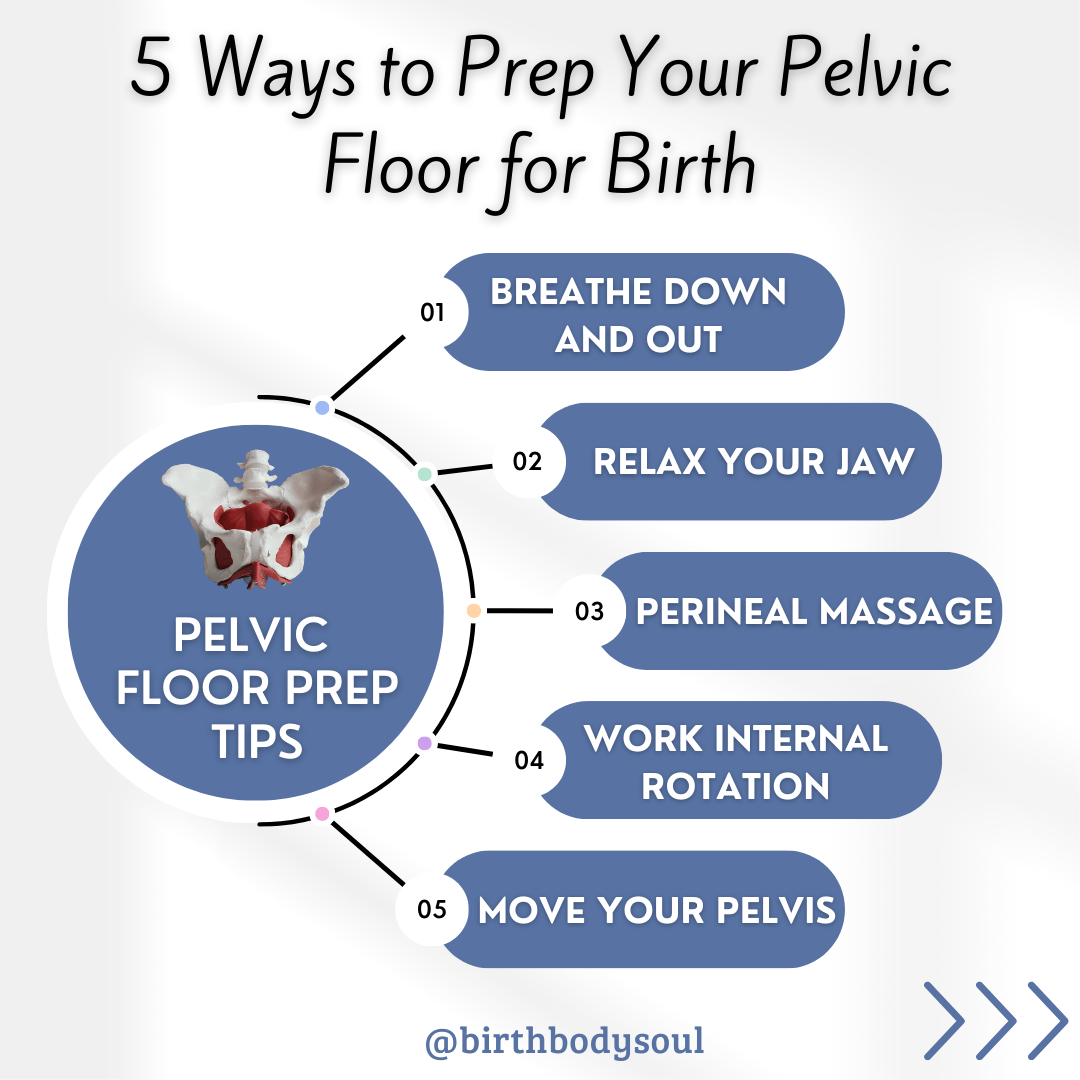
BONUS: check out this post for 5 Ways to Prep your Pelvic Floor for Birth
How Understanding Your Pelvic Floor Is a Game-Changer
When you take care of your pelvic floor during pregnancy, you’re setting yourself up for:
- A smoother labor and delivery, potentially minimizing tearing risk or severity.
- A faster, easier postpartum recovery.
- Less chance of long-term issues like incontinence or prolapse.
Translation? Fewer worries and more time to enjoy the sweet moments with your baby.
By taking action, you’re giving yourself the best chance at a positive birth and recovery experience.
Let’s Chat About Your Pelvic Floor
Struggling with pelvic floor tension, pain, or just not sure what’s normal during pregnancy? Slide into my DMs! Whether you have questions about exercises, relaxation techniques, or how to prepare your pelvic floor for labor, I’m here to help you get answers tailored to your unique pregnancy journey. Don’t wait—let’s figure out what your pelvic floor needs together! DM me 📍here📍
Ready to Elevate Your Pregnancy?
Your pelvic floor deserves VIP treatment. Download my free Birth Prep Guide: Four Daily Practices to Elevate Your Pregnancy to learn simple, effective ways to relax and release your pelvic floor and so much more. Trust me, your body (and mind) will thank you!
