What Hormonal Changes During Pregnancy and Postpartum Mean for Your Workouts and Recovery
Are Hormones in Charge of Your Pregnancy and Postpartum Workouts?
Pregnancy and postpartum bring some of the biggest hormonal shifts your body will ever experience, and those changes affect everything from strength, energy, and endurance to injury risk, muscle recovery, and core function.
Yay for hormones 🙄🙄
Whether you’re pregnant or postpartum, your body is different (duh), and I’m not just talking about the baby bump or engorged breasts. The hormones surging through your bloodstream impact how you train, recover, and rebuild strength.
But instead of fighting these changes, understanding how hormones impact training lets you work smarter—not harder—so you can feel strong, supported, and actually recover well.
In this blog, we’ll cover:
✅ How pregnancy hormones impact strength, recovery, and injury risk
✅ What happens postpartum when hormone levels shift again
✅ How to adapt your workouts so they support you through each stage
Let’s break it down.
Pregnancy Hormones & Strength Training: What You Need to Know
Pregnancy is a wild ride, and your hormones are in the driver’s seat. While they’re busy growing an entire human, they’re also affecting your strength, endurance, and even the way your body recovers from exercise.
1️⃣ Relaxin: The “Stretchy” Hormone
Relaxin loosens ligaments to prepare your body for birth. Great for labor—sometimes not so great for heavy lifting, running, or high-impact exercise. More joint laxity means more instability, especially in the hips, pelvis, and ankles.
🚩 What This Means for Your Workouts:
✔️ Be mindful of going too heavy—muscles might be strong, but joints are looser.
✔️ Focus on hip, glute, and core stability to protect your pelvis. *if you’re looking for exercises to build pelvic and core stability, check out these 3 (hyperlinked) blog posts! ➡️➡️➡️
✔️ Avoid excessive stretching—your body is already naturally more mobile. Instead, prioritize stability and mobility work.
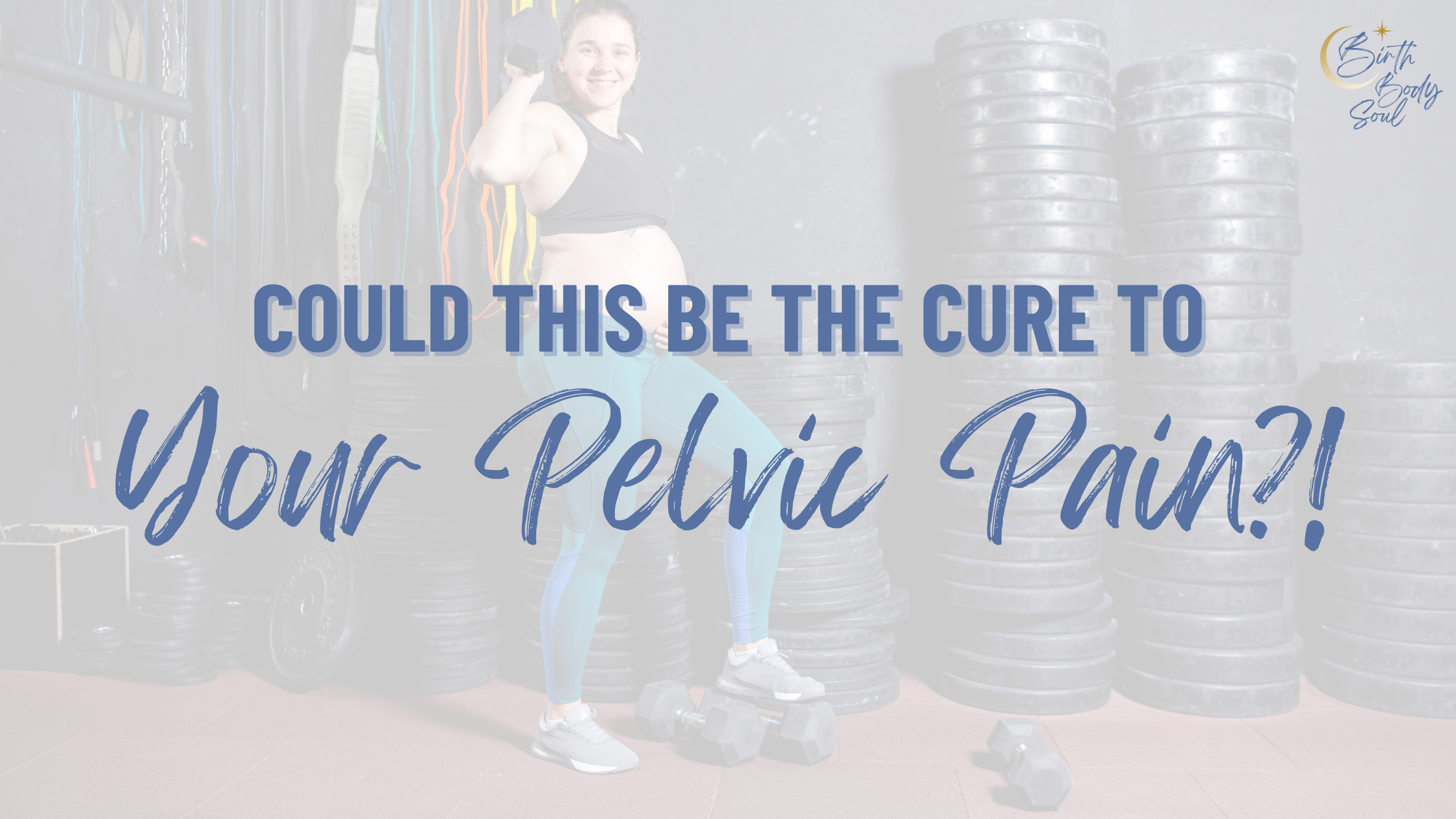
🎯 Want to learn how to optimize hip mobility for birth? Check out my post on Hip Mobility for an Easier Labor for strategies to improve movement while keeping your pelvis stable.
2️⃣ Estrogen: The Energy & Strength Booster
Estrogen peaks in the second trimester and actually supports muscle growth, endurance, and recovery—which is why a lot of women feel amazing in the middle of pregnancy. However, it also impacts how your body uses carbs for energy, meaning some days you might feel on fire and others, completely wiped out.
🚩 What This Means for Your Workouts:
✔️ Second trimester? Take advantage of the energy boosts but listen to your body and avoid overdoing it.
✔️ Adjust nutrition—carbs are your friend. Skipping them could mean major energy crashes.
✔️ Expect fluctuations in endurance—some days will feel easy, others not so much.
🎯 Curious how to train for birth, not just during pregnancy? My blog on Exercise for an Easier Birth breaks down exactly how to build strength and stamina for labor.
3️⃣ Progesterone: The Fatigue & Breathlessness Culprit
Progesterone skyrockets during pregnancy, leading to fatigue, slower recovery, and changes in breathing patterns. Ever felt winded just walking up the stairs in your first trimester? Blame progesterone.
🚩 What This Means for Your Workouts:
✔️ Focus on breathwork—deep, controlled breathing helps both workouts & labor prep.
✔️ Give yourself more rest between sets—fatigue hits faster than expected.
✔️ Train smarter, not harder—your body is already working overtime growing a baby.
Freebie Alert! If you’re preparing for birth, grab my *free* Birth Prep Guide for breath and pelvic floor coordination exercises and more!
Postpartum Hormones and Strength Training
Your baby arrives, and boom—your hormone levels drop overnight. Like literally PLUMMET. But instead of things just returning to “normal” (that would be nice, wouldn’t it?! 🙃), postpartum recovery starts a whole new game.
1️⃣ Estrogen & Progesterone Crash = Fatigue & Muscle Recovery Changes
Both estrogen and progesterone nose dive after birth, which can cause:
⚡ Lower energy levels (even beyond sleep deprivation)
⚡ Slower muscle recovery (meaning you might feel sore longer)
⚡ Changes in soft tissue healing (which impacts core and pelvic floor recovery)
🚩 What This Means for Your Workouts:
✔️ Prioritize recovery first—just because you can work out doesn’t mean your body is fully healed.
✔️ Be patient with core and pelvic floor rehab—your connective tissues need time to regain strength.
✔️ Fuel properly—nutrient-dense foods support hormone regulation & recovery.
⚠️ Postpartum isn’t a time to bounce back—it’s a time to rebuild strength in a way that supports healing, energy, and long-term health. Rushing the process can lead to setbacks, injury, and exhaustion. Learn why the ‘bounce back’ culture does more harm than good here.
2️⃣ Relaxin Sticks Around (Yes, Even After Birth!)
That joint laxity from pregnancy? It doesn’t disappear overnight—especially if you’re breastfeeding.
🚩 What This Means for Your Workouts:
✔️ Ease back into impact and heavy lifting—your joints need time to regain stability.
✔️ Focus on glute, hip, and core strengthening to stabilize your pelvis.
✔️ Avoid sudden increases in weight or intensity—progress gradually.
🌱🌱Recovering from a C-section? Relaxin can affect how your scar heals because it keeps connective tissue more pliable, which can slow scar strengthening and increase the risk of stretching or adhesions. This makes core stability, scar massage, and mindful movement essential for optimal healing and long-term function. For more on the importance of scar massage, check out this blog post: C-Section Scar Massage: Why Every Mom Should Try It & How to Get Started for Better Healing.
🎁 Thinking about adding impact back into your workouts? My Return to Impact Freebie includes simple tests to check if your body is truly ready—so you can progress safely and confidently, even with relaxin still kicking around in your body!
3️⃣ Breastfeeding & Strength Training: The Cortisol & Recovery Connection
Breastfeeding affects hormones way beyond milk production.
✔️ Prolactin (the milk-making hormone) suppresses estrogen—which means lower energy and slower recovery.
✔️ Cortisol (the stress hormone) can stay elevated—leading to increased fatigue, higher inflammation, and a harder time building muscle.
🚩 What This Means for Your Workouts:
✔️ More recovery days might be necessary (this isn’t the time for beast mode).
✔️ Strength training should focus on progressive overload, not maxing out.
✔️ Prioritize hydration, protein, and rest to support healing and strength gains.
💡 Concerned about working out while breastfeeding? Check out this post: Can Exercise Decrease Your Milk Supply?
How to Train Smarter Through Pregnancy & Postpartum
Instead of fighting your body’s natural changes, train in a way that supports your hormones and helps you feel strong at every stage.
✔️ During Pregnancy: Focus on stability, breathwork, and gradual strength maintenance.
✔️ Early Postpartum: Prioritize core & pelvic floor recovery, mobility, and gentle strength work.
✔️ Later Postpartum: Slowly increase intensity based on strength, not just time since birth.
💡 Not sure where to start in your early postpartum recovery?
My Renewal After Birth program helps you heal, restore strength, and gradually rebuild movement in a way that feels good for your body. With daily mental and physical activities, including breathwork and targeted core + pelvic floor exercises, you’ll regain confidence in your postpartum body—without the guesswork.

Final Thoughts on Hormones & Strength Training
Your body is constantly changing during pregnancy and postpartum—and your workouts should reflect that.
By training in sync with your hormones, you can:
✅ Reduce pain & injury risk
✅ Maintain (or rebuild) strength safely
✅ Recover faster and feel more energized
So if you’ve been feeling off, struggling with fatigue, or noticing slow progress, remember—it’s not just about doing more. It’s about training smarter. 💪
Let’s make that happen!!
Want to Train Smarter and Safer Through Pregnancy & Postpartum? Let’s Build a Plan That Works for You.
Lifting weights, feeling strong, and recovering well doesn’t have to be confusing—but knowing how to adjust for your hormones makes a huge difference.
📞 Book a Call with Me – Let’s create a pregnancy or postpartum training plan that actually supports your body.
💬 DM Me – Have questions about how to adjust workouts? Let’s chat!